
The Trust Gap in Bikeshare: Availability, Pricing, and Rules
Riders abandon bikeshare trips when “available” bikes aren’t actually rideable—or when pricing and rules surprise them. Here’s how better data closes the trust gap.
1) When “Available” Isn’t Real: The Reliability Psychology Behind Abandoned Trips
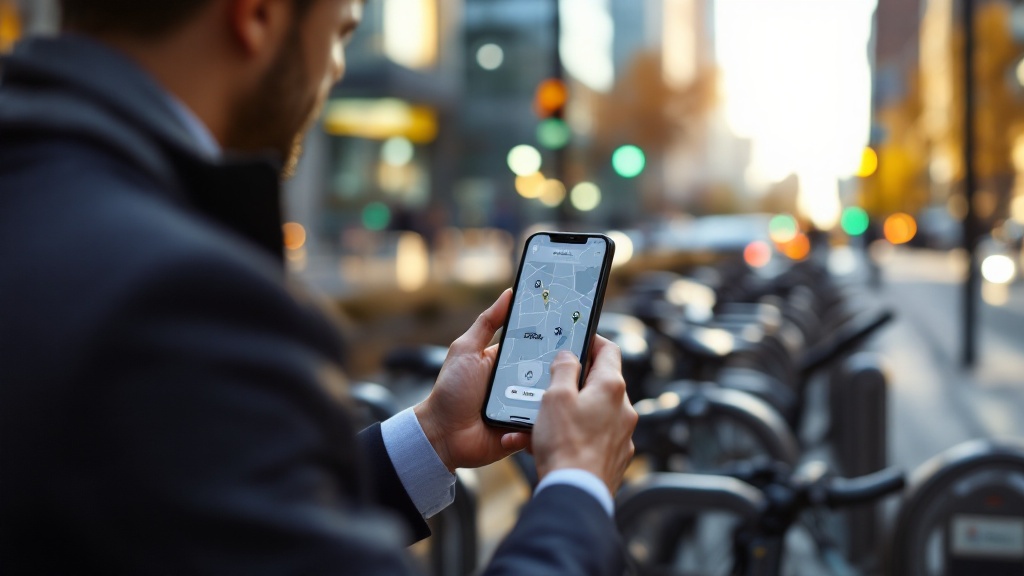
In bikeshare, the first promise is simple: the bike you see on the map should be there, and it should work. When that promise breaks—an empty rack, a missing bike, a dead battery, a jammed smart lock—riders don’t just lose time. They lose confidence. In urban-mobility networks, that confidence is a habit: once riders expect uncertainty, they stop opening the app for time-sensitive trips and switch to other modes.
This is the core bikeshare user-experience problem: perceived reliability matters as much as actual fleet size. Riders make quick decisions based on map signals (availability count, distance, ETA, last-seen time). If those signals are wrong, they experience “dead ends,” and drop-off rates spike—especially for commuters and event attendees.
Closing the trust gap starts with operational truth: frequent location pings, device health status, and a state machine that prevents double-booking (reserved vs. in-use vs. out-of-service). Platforms like RideReady BikeShare reduce uncertainty by showing what’s actually reservable, not merely “nearby.”
2) Pricing Transparency: The Fastest Way to Reduce Friction and Surprise Fees
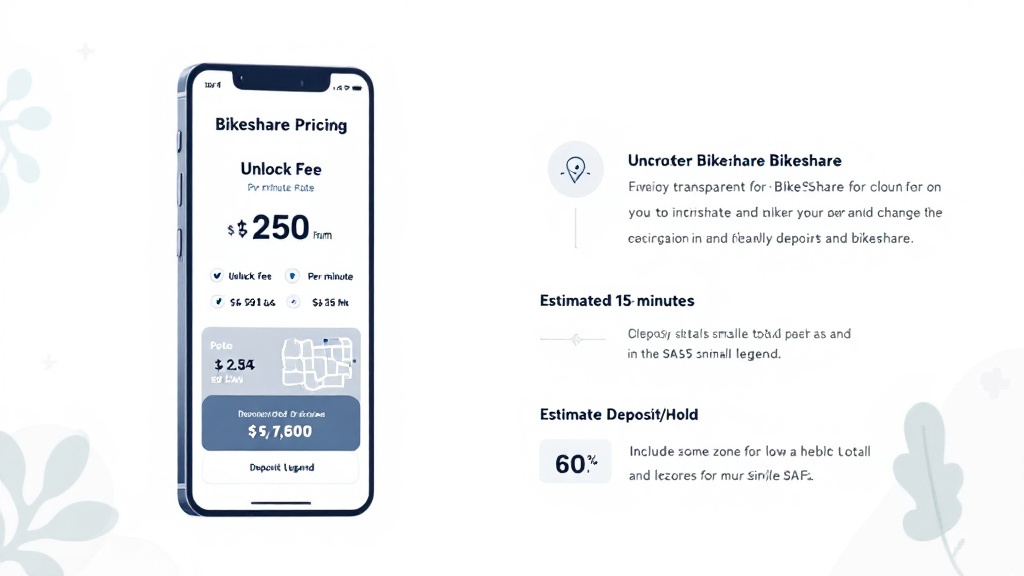
Even when a bike is available, riders abandon trips if the price feels unpredictable. Confusing unlock fees, per-minute rates that change by zone, pause charges, and post-trip adjustments create anxiety—especially for tourists and students trying bikeshare for the first time. In pricing-transparency, clarity beats cleverness: riders don’t need the cheapest rate; they need the most legible one.
The most trust-building data points are simple: total estimated cost for a typical ride length, clear disclosure of minimum charges, and upfront holds/deposits. Receipts should explain line items in plain language (unlock, ride time, extensions, penalties) and show timestamps. In payments-driven micromobility, these details materially reduce support tickets and charge disputes.
Operators can also nudge better behavior by aligning pricing with system health: incentives to return bikes to high-demand areas, credits for reporting issues, and transparent caps that prevent “runaway” charges. In practice, strong bikeshare UX means the rider can predict the bill before they tap “Reserve.”
3) Rules and Geofencing: Make Parking “Obvious,” Not Punitive
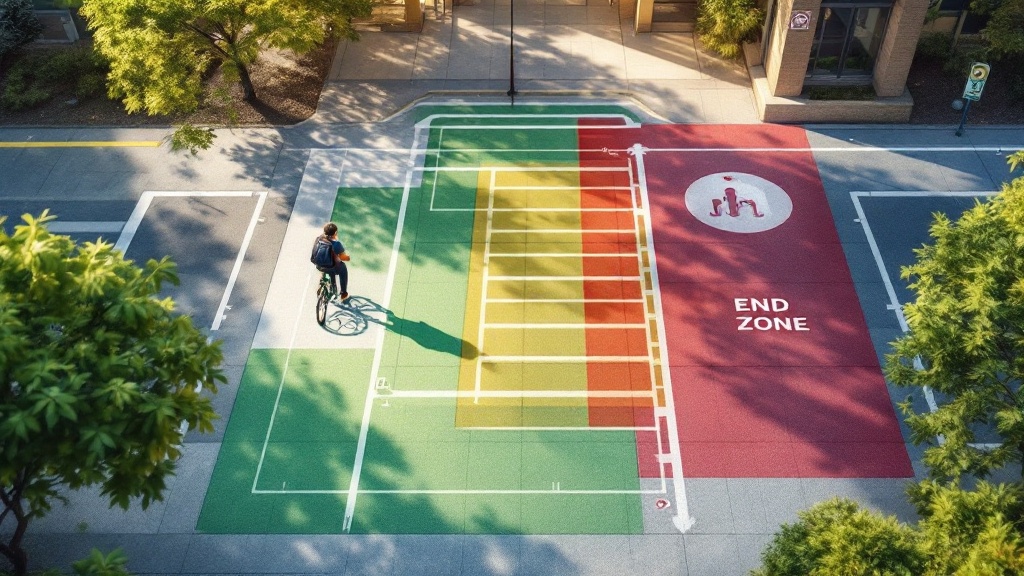
The final trust breaker is rules that riders discover too late: no-parking blocks, campus boundaries, slow zones, or “must end ride at a station” constraints. When riders learn about these rules only at trip end, they experience the system as punitive—leading to frustration, surprise fees, and churn. Better geofencing turns rules into guidance, not penalties.
What helps most is proactive clarity: show allowable parking areas on the map before the ride starts, provide turn-by-turn cues near boundaries, and warn early if the rider is heading toward an invalid end zone. If a trip can’t be ended where the rider is standing, the app should immediately suggest the nearest valid location and explain why (e.g., city regulations, event geofence, or operator policy).
For cities and operators, accurate rule communication improves compliance and utilization: fewer abandoned bikes, fewer retrievals, and cleaner streets. For riders, it restores the promise that bikeshare is dependable urban-mobility infrastructure. The trust gap closes when availability, pricing, and rules align—consistently and in real time.